If you're building a Roblox tycoon game with others using version 142, the collaborative development workspace is where your team actually works together without overwriting each other’s changes or losing progress. It’s not a separate app or plugin. It’s a built-in setup inside Roblox Studio that lets multiple developers edit the same place file at once, with real-time visibility into who’s editing what and where.
What does “roblox tycoon 142 collaborative development workspace” actually mean?
It refers to the shared Studio environment configured for teamwork on a Roblox tycoon project built with the Roblox Tycoon Framework version 142. This includes synced folders, consistent naming conventions for scripts and models, shared data structures (like GameSettings or TycoonData), and access controls so designers, scripters, and testers can work in parallel without breaking core mechanics. It’s not just “working in the same place” it’s working in a way that respects how tycoon systems like resource generation, upgrade logic, and economy balancing depend on tightly coupled code and assets.
When do teams use this setup and why not earlier?
Teams start using it once the tycoon prototype stabilizes past basic clicking and starts adding features like multi-tier upgrades, NPC workers, or seasonal events. Before that, solo dev is faster. But once you add a second person say, one handling UI animations while another builds the shop inventory system you’ll hit conflicts fast unless you’ve set up shared folders, versioned asset references, and clear ownership rules. Version 142 introduced stricter data validation and modular service loading, which makes coordination more important not less.
What goes wrong without a proper collaborative workspace?
Common issues include: scripts referencing local variables that don’t exist in teammates’ copies, mismatched asset IDs causing broken textures or missing sounds, and duplicated event connections that fire twice. One frequent mistake is letting everyone edit the Workspace.TycoonCore folder directly instead of using the asset pipeline validator to verify consistency before merging. Another is skipping script optimization steps unoptimized loops in income tickers or unbounded spawn calls in worker systems slow down testing for everyone.
How do you set it up right?
Start by organizing your place file into clearly labeled folders: Services, Modules, ReplicatedStorage.TycoonData, and StarterPlayer.StarterCharacterScripts. Use Roblox’s Team Create feature to assign permissions per folder not just per place. Require all new scripts to go through the script optimization tools before being added to shared branches. Keep a running changelog in a shared Notion doc or GitHub issue tracker not inside Studio comments and link updates to specific tycoon framework version notes.
Is there official documentation for this workflow?
Roblox doesn’t publish step-by-step guides for tycoon-specific collaboration, but their Team Create documentation covers the underlying infrastructure. What’s unique to tycoon 142 is how its modular services (like EconomyService or UpgradeManager) expect certain folder paths and require coordinated updates across multiple modules. That’s why many teams rely on shared workspace templates like the one described in the dedicated workspace reference page.
Next step: Open your current tycoon place in Roblox Studio, go to File → Publish to Team Create, then create a new folder called SharedTycoonModules under ReplicatedStorage. Move all framework-related modules there, and have every team member pull from that folder not from individual local copies.
 Roblox Tycoon 142 Asset Pipeline Validator
 Roblox Tycoon 142 Script Optimization Tools
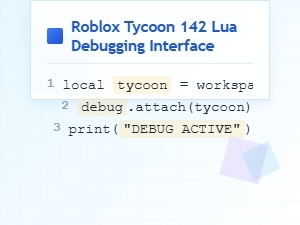 Roblox Tycoon 142 Lua Debugging Interface
 Roblox Tycoon 142 Performance Profiler Dashboard
 How Roblox Tycoon 142 Premium Pricing Shapes Player Behavior
 Roblox Tycoon Passive Income Strategies